
The Concept of Luck in Gambling
The idea of luck has long been intertwined with the world of gambling, manifesting as an intangible force that players believe can influence their success at the tables. Luck is often imagined as a fickle friend, appearing sporadically to shower players with rewards, only to vanish just as quickly. This notion not only fuels the excitement of playing but also serves as a psychological balm for the inevitable losses that accompany any form of gambling, including options like online casino payid that offer different experiences. The belief in luck can elevate the experience, transforming it from a mere game of chance into a narrative filled with potential and possibility.
Moreover, various cultures and traditions have their own interpretations of luck related to gambling. Some players may carry lucky charms or wear specific clothing, convinced that these rituals will enhance their fortune. The psychological impact of these beliefs can be significant, as they create a mental environment where players feel more empowered and optimistic. This mindset can, in turn, influence their decisions at the casino, potentially affecting their outcomes, albeit indirectly. However, it is essential to recognize that these beliefs are subjective and vary widely from person to person.
While luck is often celebrated, it is also confronted by the reality of games that are fundamentally based on mathematics and probabilities. The house always has an edge, meaning that, over time, the odds are statistically against players. This raises the question of whether luck is a genuine factor in winning or simply a comforting illusion that masks the underlying mathematical truths of casino games. Ultimately, the interplay between luck and strategy forms an intriguing dynamic that keeps players returning to the gaming floor.
The Role of Skill vs. Chance
In many casino games, particularly table games like poker and blackjack, skill plays a significant role in determining outcomes. Players who invest time in honing their strategies and understanding the mechanics of the games can significantly improve their chances of winning. For example, in poker, players must not only be proficient in their card-handling skills but also adept at reading their opponents and making strategic bets. This blend of skill and psychological insight can often outmaneuver pure luck, showcasing that outcomes are not solely dictated by chance.
On the other hand, games like slot machines or roulette are heavily based on chance, meaning that skill has little to no impact on the outcome. In such games, the randomness of the outcomes can lead players to attribute their wins or losses to luck. This distinction between skill-based and chance-based games is crucial for understanding how players perceive their experiences in casinos. While luck may influence the short-term fluctuations of wins and losses, it is ultimately the player’s skill that can sway long-term results in skill-based games.
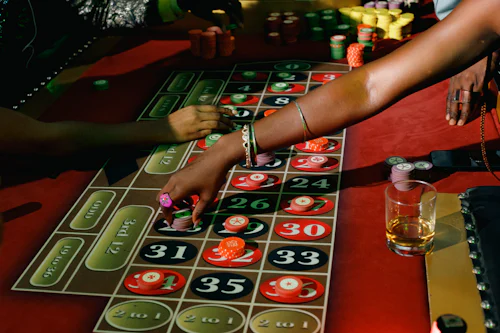
Furthermore, casinos design their games in a way that creates an illusion of control. For instance, players may believe that a certain betting strategy will yield better results in games of chance. However, this often leads to the misconception that luck can be harnessed or manipulated. The true nature of these games, especially those governed by random number generators, means that every spin or deal is an independent event, thus reaffirming the unpredictable nature of chance in gambling.
The Psychological Effects of Gambling
The psychological experience of gambling is a captivating area of study that reveals how perceptions of luck can significantly influence player behavior. Winning streaks can lead players to feel invincible, reinforcing the belief that they possess a lucky touch. Conversely, a series of losses can foster a sense of misfortune, leading players to adjust their strategies or seek out rituals they believe will reverse their luck. This behavioral pattern is further exacerbated by cognitive biases, such as the gambler’s fallacy, where players mistakenly believe that past outcomes will influence future results.
In addition to psychological biases, social factors can also shape perceptions of luck. Players often share stories of their winning moments, creating a communal narrative that highlights the thrill of chance-based games. This social reinforcement of lucky incidents can lead to a skewed perception of how frequently luck actually plays a role in success. Such narratives can embolden players to continue gambling in search of their own lucky break, despite evidence suggesting that their long-term odds may not support such hope.
Moreover, the impact of luck on player psychology extends to the way individuals approach risk. Some players may take larger risks when they feel lucky, while others may play cautiously during perceived unlucky times. This behavioral variance reveals a deep connection between luck and risk-taking, where each player’s unique relationship with chance can directly influence their betting habits. Such dynamics create a rich tapestry of player experiences in casinos, making the quest for luck a pivotal aspect of the gambling environment.
Understanding the House Edge
The concept of the house edge is integral to understanding how casinos operate and why luck alone cannot guarantee victories. The house edge refers to the mathematical advantage that the casino has over players in any game. This edge ensures that, over time, the casino will always profit from its offerings. For example, in games like roulette, the presence of the zero slots works to the casino’s advantage, skewing the odds in their favor regardless of the bets placed. Understanding these odds is crucial for players who wish to approach gambling from an informed perspective.

Importantly, the house edge is a reflection of the game’s design, which is carefully crafted to entice players while safeguarding casino profitability. This factor serves as a sobering reminder that while luck may lead to short-term wins, the probability mechanics at play will ultimately dictate long-term outcomes. Thus, while players might experience lucky breaks, they are also subject to the inevitable mathematical reality that favors the house.
Additionally, recognizing the house edge allows players to make more informed decisions regarding their gameplay. By understanding the odds, players can adjust their strategies to minimize losses and maximize potential gains. While luck may have its moments, knowledge and awareness of the game’s structures play a significant role in enhancing the overall gaming experience. Ultimately, the house edge serves as a reminder of the fine balance between luck and strategy in the world of casinos.
Conclusion: The Balance of Luck and Strategy
In conclusion, while luck undoubtedly influences casino outcomes to some extent, it is not the sole determinant of success. The interplay between luck and skill creates a nuanced environment where players can experience both moments of fortune and streaks of misfortune. Understanding the mechanics of the games, the effects of the house edge, and psychological factors involved in gambling can better equip players to navigate their experiences in casinos.
As players engage in games, embracing the duality of luck and skill can enhance their enjoyment, transforming gambling into not just a game of chance but also one of strategy and knowledge. Ultimately, players can find more meaningful experiences by recognizing the limitations of luck while also allowing themselves to enjoy the thrill it brings. This balance creates a rich tapestry of stories and experiences that define the essence of casino gaming.
For those drawn to the exhilarating world of gambling, staying informed and understanding the dynamics at play can lead to more conscious decisions. Taking time to learn about game mechanics, odds, and effective strategies allows players to enjoy their time in casinos while acknowledging that luck, though elusive, is just one piece of a larger puzzle in the pursuit of gaming enjoyment.