
Understanding Gambling Addiction
Gambling addiction is a serious concern for many individuals who engage in gaming activities. It involves compulsive behaviors that can lead to financial, emotional, and psychological distress. Recognizing the signs of gambling addiction is crucial, especially when considering options like fast casino withdrawal for managing losses. Symptoms may include a constant need to gamble, lying about gambling habits, and neglecting personal responsibilities. Understanding these behaviors helps individuals take proactive steps toward responsible gambling and seek help if necessary.
In addition to personal implications, gambling addiction also affects relationships and communities. The strain on family and friendships due to financial issues or emotional withdrawal can be profound. It’s vital to have open discussions about gambling habits with loved ones and seek support from professionals or local support groups. Awareness is the first step toward ensuring gaming remains a fun activity rather than a harmful obsession.
Seeking help is an essential part of mitigating the risks associated with gambling addiction. Many organizations offer resources and counseling to individuals and families dealing with gambling problems. This support can guide individuals in recognizing triggers and developing healthier coping strategies. It’s crucial to approach gambling with an understanding of its potential risks and to take action if you or someone you know is struggling.
Setting a Budget for Gambling
Establishing a budget is fundamental to maintaining responsible gambling habits. Before stepping into a casino, players should determine how much money they are willing to spend. This budget should be an amount that they can afford to lose without significantly impacting their financial stability. Setting a clear limit allows individuals to enjoy gaming while minimizing the risk of financial hardship.
Once a budget is set, sticking to it is equally important. This involves tracking expenditures during gaming sessions and refraining from accessing additional funds if the budget is reached. Players should treat their gambling budget like a night out — once it’s gone, the fun ends. This practice not only limits potential losses but also maintains the excitement of gambling within a controlled environment.
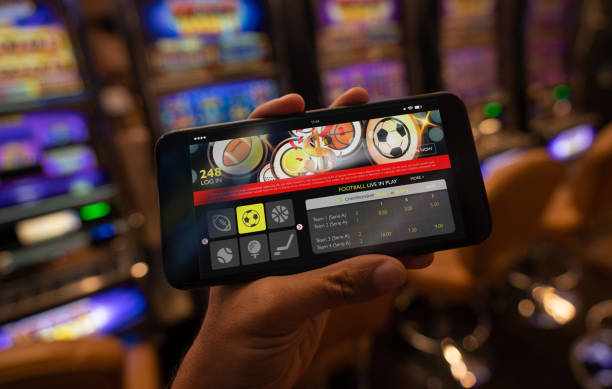
Moreover, adapting the budget as necessary can be part of responsible gambling. Players may find that their circumstances change, and adjusting their budget accordingly can help manage risks effectively. Regularly reviewing gambling habits and budget adherence ensures that the gaming experience remains enjoyable and doesn’t escalate into detrimental behavior.
Choosing the Right Games
Selecting the appropriate games to play can significantly influence the overall gambling experience. Different games come with varying odds, payout rates, and levels of risk. For example, table games like poker may require strategy and skill, while slot machines are primarily luck-based. Understanding these differences allows players to make informed decisions that align with their preferences and risk tolerance.
Additionally, engaging in games that one understands can enhance enjoyment and reduce the likelihood of significant losses. Players should take time to learn the rules and strategies involved in the games they choose. Whether through online tutorials or practice sessions, being well-informed can lead to more confident and responsible gambling decisions.
It’s also essential to remember that some games are designed to be more social than others, which can add to the enjoyment of the experience. Engaging with other players at a table can lead to a more fulfilling atmosphere while helping to temper the intensity of gambling. Balancing the social aspect with individual enjoyment can contribute to a healthier gambling experience overall.
Knowing When to Walk Away
Recognizing the right time to walk away is a critical component of responsible gambling. Whether winning or losing, players must develop the discipline to leave the gaming area when they reach their limits. This might mean walking away after achieving a specific win or recognizing when a losing streak is affecting emotions and judgment. It’s important to detach oneself from the thrill of gaming and prioritize well-being.

Setting personal milestones, such as a specific win goal or loss threshold, can aid in making the decision to walk away. Creating these checkpoints helps develop a mindset that values enjoyment over financial gain. Celebrating wins and acknowledging losses as part of the game can foster a healthier relationship with gambling and encourage players to leave on a positive note.
In addition to personal thresholds, taking regular breaks during gaming sessions can provide clarity. Stepping away, even for a few minutes, can help individuals reassess their strategies and emotional states. Understanding that gambling should remain a source of entertainment, rather than stress, is crucial for ensuring that it stays healthy in the long run.
Responsible Gaming Resources and Support
Many organizations and online platforms provide resources for responsible gambling, offering tools that promote safe gaming practices. These resources include self-assessment quizzes, budget calculators, and educational articles that help players understand the risks involved in gambling. Players can access these tools before engaging in gambling activities to ensure they are well-prepared and informed.
Additionally, casinos themselves often have implemented programs to support responsible gaming. Many establishments showcase signage about responsible gambling, provide information on local support groups, and may have designated staff to help players who exhibit signs of gambling problems. Engaging with these resources indicates a proactive approach to maintaining a safe and enjoyable gaming environment.
Moreover, online communities and forums dedicated to gambling can provide valuable peer support. Sharing experiences and strategies can foster a sense of community among gamblers and help individuals feel less isolated in their journeys. Knowing that help is available and sharing resources can empower players to make informed decisions, keeping their gambling activity enjoyable and under control.